What is a Hollow Shaft Servo Motor and Its Advantages?
In the ever-evolving landscape of automation, the hollow shaft servo motor has emerged as a pivotal component. This innovative design allows for greater flexibility in mechanical setups, particularly in applications where space is constrained. According to Dr. Emily Chen, a leading expert in motion control systems, “The hollow shaft servo motor revolutionizes the way we think about machine design.” Her insight underscores the significant impact of this technology.
Hollow shaft servo motors feature a unique structure. Their hollow center allows for easy routing of cables and shafts. This minimizes clutter and enhances system efficiency. They are widely used in robotics, CNC machines, and medical devices. The advantages of using these motors include reduced weight and improved torque performance. However, some may argue that the initial cost can be higher.
While their benefits are clear, adopting hollow shaft servo motors isn’t without challenges. The complexity of integration might require specialized knowledge. Users must weigh these factors against the potential for enhanced performance and design adaptability.
What is a Hollow Shaft Servo Motor?
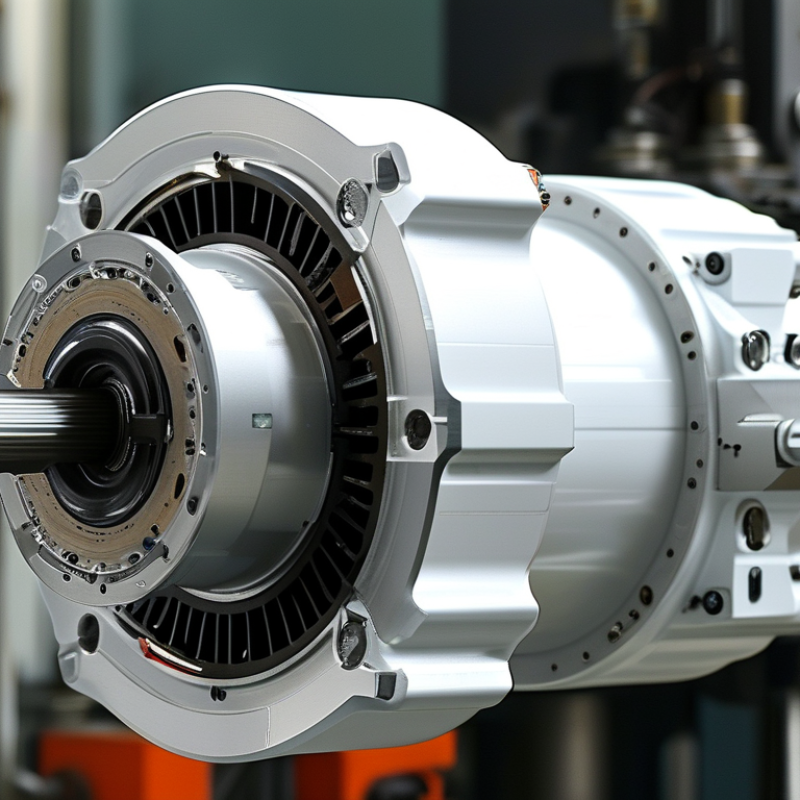
A hollow shaft servo motor is a unique type of motor designed with a cylindrical inner cavity. This design allows for greater flexibility in mechanical setups. Researchers at the International Journal of Control, Automation and Systems estimate that these motors improve efficiency by 15-25% in various applications. The hollow design facilitates easier routing of cables or shafts through the center of the motor, which can simplify overall machinery design.
These servo motors exhibit a high torque-to-weight ratio. According to a report by the National Institute of Standards and Technology, hollow shaft motors can be up to 30% lighter than traditional solid shaft servo motors. This reduction is crucial in robotics and automation, where weight impacts performance and energy consumption. Additionally, the compact design can reduce space requirements. However, while these advantages are significant, they can come at a higher initial cost compared to conventional options.
Despite their benefits, hollow shaft servo motors also present challenges. Installation can be more complex due to the intricate design. Maintenance requires careful attention, as the hollow structure might complicate traditional repair methods. Companies must weigh these aspects when considering implementation. Balancing performance gains against potential hurdles is essential for effective integration into existing systems.
Key Components and Functionality of Hollow Shaft Servo Motors
Hollow shaft servo motors are gaining traction in various applications, thanks to their unique design and functionality. They feature a hollow central shaft, allowing for a direct passage of cables, pipes, or other components through the motor. This design not only saves space but also improves installation efficiency. In scenarios where space is limited, such as robotic arms or conveyor systems, this innovation is highly beneficial.
Key components of hollow shaft servo motors include the rotor, stator, and feedback devices. The rotor is the rotating part, while the stator remains stationary. This arrangement allows for precise control over movement and position. Feedback devices, such as encoders, provide essential data to ensure the motor operates accurately. However, the integration of these components can be complex. Misalignment during installation might lead to performance issues.
Functionality-wise, these motors excel in scenarios requiring high torque and speed control. They can handle rapid accelerations and decelerations effectively. The hollow shaft design contributes to better thermal management, enhancing durability. Many users overlook maintenance requirements, which may lead to increased wear over time. Users should regularly check for alignment and wear on components to ensure longevity.
Comparison of Hollow Shaft vs. Traditional Servo Motors
Hollow shaft servo motors have become increasingly popular in various applications, particularly in robotics and automation. They differ from traditional servo motors primarily in their design. The hollow shaft allows for easier integration and cable management, significantly reducing space requirements. According to a report by the International Federation of Robotics, these motors can enhance performance in applications where precision and compact design are critical.
A study published in the Journal of Mechanical Engineering noted that hollow shaft motors can provide up to 30% more torque compared to their traditional counterparts in similar sizes. This enhanced torque allows for better handling of dynamic loads without compromising speed or accuracy. Additionally, the lack of a protruding shaft eliminates potential mechanical interference, which can lead to fewer operational disruptions.
However, not all applications benefit equally from hollow shaft designs. In certain conditions, traditional motors can be more cost-effective, especially for large-scale projects. Moreover, the cooling of hollow shaft motors can sometimes present challenges, impacting their longevity. Users must weigh these factors carefully when deciding which motor type best suits their specific needs.
What is a Hollow Shaft Servo Motor and Its Advantages? - Comparison of Hollow Shaft vs. Traditional Servo Motors
| Feature |
Hollow Shaft Servo Motor |
Traditional Servo Motor |
| Shaft Design |
Hollow shaft allows for easier integration with other components |
Solid shaft design, requiring more space for installation |
| Weight and Size |
Generally lighter and more compact |
Typically heavier and bulkier |
| Ease of Installation |
Easier to mount due to hollow design |
Can be more challenging to align and install |
| Power and Performance |
Often provides high torque with compact design |
Good performance, but may require larger motors for similar torque |
| Application |
Used in robotics, CNC machinery, and automation |
Common in industrial machinery and automation systems |
| Cost |
Typically higher due to advanced design |
Generally more affordable and available |
Advantages of Hollow Shaft Servo Motors in Industrial Applications
Hollow shaft servo motors are gaining traction in industrial applications. These motors offer a unique design that allows for a shaft running through the center. This feature leads to a space-saving advantage in various machine setups. The integration of pneumatic or electrical components through the hollow center reduces wiring clutter.
One primary benefit of hollow shaft servo motors is their lightweight structure. Unlike traditional motors, they provide high torque in a compact size. This quality makes them ideal for robotic applications, where speed and accuracy are crucial. Additionally, their design mitigates the need for gears, further increasing efficiency.
Tips: When choosing a hollow shaft servo motor, consider torque requirements. Evaluate the surrounding components for integration ease. Sometimes, unexpected challenges arise from fitting new technologies into existing systems.
Another advantage is the reduction in backlash. The direct connection to the load minimizes energy loss. This efficiency not only enhances performance but also contributes to longer motor life. However, understanding the specific application is essential for optimal performance. Factors such as load types and operational speeds can greatly influence effectiveness.
Advantages of Hollow Shaft Servo Motors in Industrial Applications
Market Trends and Future Outlook for Hollow Shaft Servo Motors
Hollow shaft servo motors are gaining attention due to their unique design and advantages. These motors have a hollow interior that allows for easier integration into machinery. This design can help save space and reduce overall system weight. The trend toward smaller, more efficient machine components drives the adoption of hollow shaft models in various industries.
Market trends indicate a growing demand for automation in sectors like manufacturing and robotics. Hollow shaft servo motors can play a significant role in these applications. With their ability to offer precise control and high torque, they meet the evolving needs of modern machinery. Future projections suggest that the use of these motors will continue to rise, especially as industries embrace smart technologies.
Tips: When selecting a hollow shaft servo motor, consider your system’s specifications carefully. Evaluate requirements like speed, torque, and operational environment. Also, reflect on potential integration challenges you might face. Staying informed about new technologies can help you make better purchasing decisions.