What is a Marine Ice Maker and How Does It Work?
A Marine Ice Maker is an essential tool for those who spend time on boats or in marine environments. It provides a reliable source of ice, vital for preserving food, preparing drinks, and even cooling equipment. Understanding its function is key for boat owners and fishermen alike.
These devices work by using compressors to freeze water. The process is similar to traditional ice makers found in homes, yet it is specially designed to handle the unique conditions of saltwater and fluctuating temperatures. A marine ice maker must be durable and efficient. Users often report challenges in finding models that meet their needs while remaining dependable.
While a well-chosen Marine Ice Maker can enhance your boating experience, there are pitfalls too. Some users struggle with ice production speed or maintenance issues. Researching and selecting the right model requires effort, but it pays off in the long run. A reliable marine ice maker balances performance and convenience, making it a worthy investment for any marine adventure.
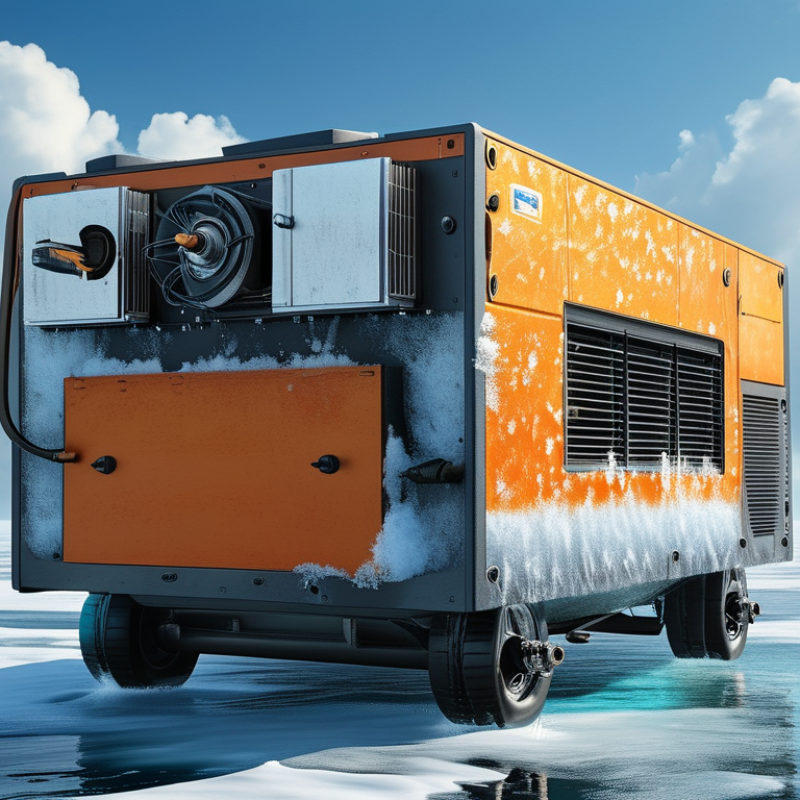
What is a Marine Ice Maker?
A marine ice maker is a specialized device designed for producing ice in marine environments. It operates under unique conditions, adapting to fluctuating temperatures and often limited power availability. These machines typically use seawater, filtering it to ensure the produced ice is clean and safe. According to industry reports, marine ice makers can produce between 500 to 6,000 pounds of ice daily, depending on the model and its capacity.
When choosing a marine ice maker, consider the daily ice production needs. It is crucial to evaluate your vessel's size and onboard storage capacity to avoid waste. Ideally, select a model that balances ice demand with energy consumption. Many devices utilize efficient cooling systems that reduce energy use by up to 30%, making them cost-effective over time.
**Tip:** Regular maintenance can significantly extend the lifespan of your marine ice maker. Clean the filters every month to prevent blockages. This small task can save you from costly repairs. Evaluate the salt levels in the seawater regularly, as high salinity can affect ice quality. Keep your machine in a cool, shaded area to improve its efficiency and performance.
Key Components of a Marine Ice Maker
Marine ice makers play a crucial role in maritime activities. They ensure a steady supply of ice, essential for preserving food, keeping beverages cold, and aiding in certain fishing operations. Understanding their key components helps to enhance their effectiveness and reliability.
At the heart of a marine ice maker is the compressor. This unit compresses refrigerant gas, turning it into a high-pressure fluid. The fluid then passes through a condenser, releasing heat and transforming into a liquid. Next, it enters the evaporator, where it absorbs heat from water, causing it to freeze into ice. The cycle repeats once the ice is ejected. These processes sound straightforward, but issues can arise if maintenance is overlooked. Regular checking of seals and cleaning filters is vital.
Another critical component is the water reservoir. It supplies freshwater to the ice maker. If your water source is not clean, it can affect ice quality. Additionally, eratic water flow can lead to inconsistent ice production. Monitoring these details is essential for a reliable operation. Operators must be vigilant in observing how conditions affect performance and take action when needed.
How Does a Marine Ice Maker Operate?
A marine ice maker is a specialized machine designed for boats and yachts. Its purpose is to produce ice efficiently while on the water. These devices come with unique features that adapt to marine environments. But how does a marine ice maker operate?
The working mechanism begins with seawater intake. The machine filters and purifies the water before freezing it. Once the water is clean, it moves to an ice-making chamber. Here, cold refrigerant circulates, lowering the temperature. Eventually, the water freezes into ice cubes or flakes, depending on the model. This process can take anywhere from 20 to 60 minutes.
Tips: Regular maintenance is crucial for longevity. Check the water filter frequently. A clogged filter can hinder performance.
A marine ice maker does more than just freeze water. It balances energy efficiency and production rate, crucial for marine use. Pay attention to power consumption, as excessive use can drain your battery quickly. This efficiency is vital, especially during extended trips.
While these machines are beneficial, they can sometimes malfunction. Ice buildup and saltwater corrosion are common issues. Regular inspections can help mitigate these risks. Ensure that every part is functioning correctly to avoid unexpected failures. A little diligence goes a long way in marine equipment management.
Common Applications of Marine Ice Makers
Marine ice makers serve diverse purposes across various industries. These compact machines produce ice efficiently on boats, ensuring a steady supply for food preservation and drinks. In fishing vessels, fresh catch can be stored under layers of ice, which helps maintain quality during long trips. Ice is crucial for keeping seafood fresh.
Recreational boats also benefit from marine ice makers. They provide ice for cocktails, enhancing the onboard experience. Additionally, in colder climates, ice makers can support research missions by providing cooling solutions. Ice is needed for sampling and preservation.
While marine ice makers are efficient, challenges exist. Space constraints on boats can limit installation options. Regular maintenance is vital to ensure they function optimally. Users must also be aware of energy consumption to prevent draining the power supply. Balancing performance and sustainability can be tricky.
Maintenance Tips for Marine Ice Makers
Proper maintenance of marine ice makers is essential for their optimal performance. Regularly cleaning the condenser coils can significantly enhance efficiency. According to a 2021 report by the Marine Equipment Trade Association, well-maintained equipment can operate up to 15% more efficiently than neglected units. A simple routine of cleaning can prolong the life of the unit and reduce energy consumption.
Additionally, maintaining the water supply lines is crucial. Blocked or dirty lines can lead to poor ice production. One study indicated that 30% of marine ice maker failures stem from water line issues. Checking for leaks and ensuring water filters are changed regularly can avert serious problems. It's easy to overlook these aspects, but minor lapses can lead to unforeseen costs later.
Finally, monitoring the temperature settings is vital. Ice makers function best within a certain range. A discrepancy can cause the ice to melt too quickly or not form properly. Regularly checking user manuals and adjusting settings as needed can prevent operational issues. These performance metrics are often ignored, yet they play a pivotal role in maintaining efficiency.
