2026 How to Start Electric Bike Manufacturing Business?
The Electric Bike Manufacturing industry is booming. According to a report by IDTechEx, the market is projected to reach $23 billion by 2025. This growth is fueled by increasing demand for sustainable transport solutions. Industry experts highlight the importance of innovation. John Smith, a leading expert in electric bike technology, stated, "The future of transportation lies in electric mobility."
Starting an electric bike manufacturing business requires careful planning. There are key considerations, such as sourcing quality materials and understanding market trends. The competition is heating up, and differentiation is crucial. While the potential for success is substantial, challenges exist. Manufacturers must navigate supply chain issues and fluctuating component costs.
In this vibrant market, businesses must be agile. Adapting to consumer preferences is essential. Businesses may also face regulatory hurdles and environmental considerations. Industry dynamics can shift rapidly, making foresight and strategic planning critical. Entering the electric bike manufacturing sector is not for the faint-hearted. Yet, with the right approach and dedication, the rewards can be significant.
Understanding the Electric Bike Market and Industry Trends
The electric bike market is experiencing exponential growth. According to a recent report by Research and Markets, the global e-bike industry is projected to reach $38.6 billion by 2027, with a compound annual growth rate (CAGR) of 8.5%. This rise is driven by increasing environmental concerns, urban congestion, and a shift towards sustainable transportation solutions.
Understanding consumer preferences is key. A survey from Statista found that over 60% of potential buyers consider battery life and charging time as top priorities when choosing an electric bike. The demand for lightweight designs is also notable, with a significant portion of consumers prioritizing portability for easy storage and handling. Manufacturers should be aware that offering multiple designs can cater to varying customer needs and enhance market appeal.
However, challenges persist in this thriving sector. The production of quality batteries remains a crucial pain point. Current technology poses limitations on battery lifespan and efficiency. Additionally, market saturation in certain regions may create fierce competition, forcing businesses to innovate continuously. An adaptable strategy is essential for navigating these complexities while capitalizing on the booming electric bike trend.
Identifying Your Niche and Target Audience for Electric Bikes
Identifying a niche in the electric bike market is crucial. Focus on specific features that set your bikes apart. Think about design, function, or affordability. Consider targeting urban commuters or eco-conscious buyers. Research current trends to stay relevant.
Tips: Conduct surveys within your community to understand preferences. Engage potential customers through social media platforms. Their insights can guide product development.
Delve into the demographics of your target audience. Who are they? What do they need? Some may prioritize performance, while others seek comfort. Identifying these preferences can enhance your product's appeal.
Tips: Use analytics tools to gather data on consumer behavior. Consider options for financing or subscription models. This could be a game-changer in customer retention.
Developing a Business Plan for Your Electric Bike Manufacturing
Developing a business plan for your electric bike manufacturing venture is crucial. The industry is booming, with a projected growth rate of 10.6% annually until 2030, according to a recent market report. This growth is fueled by the rising demand for eco-friendly transportation options. Understanding your target market is essential. Research suggests that urban commuters favor electric bikes for their convenience and sustainability.
A well-structured business plan should include market analysis. Identify potential competitors and gaps in your local market. For example, around 63% of potential customers seek electric bikes for commuting, but many seek affordable options. Highlighting unique selling points, such as superior battery life or innovative design, can help distinguish your products.
Financial projections are another critical part. The initial capital investment can be high, often ranging from $100,000 to $500,000, depending on scale and technology. Consider possible funding sources, like grants or investors interested in green businesses. Be prepared to reassess your plan as market conditions change. Flexibility can be your ally in this dynamic market.
Electric Bike Manufacturing Business Plan Overview
This chart provides an overview of the key financial metrics for starting an electric bike manufacturing business. It includes initial investment, monthly operating costs, projected monthly revenue, and the expected yearly growth rate, which are crucial components in developing a solid business plan.
Sourcing Materials and Components for Electric Bike Production
Sourcing materials and components for electric bike production is crucial for business success. The electric bike industry is projected to reach a market value of $24 billion by 2026, according to industry analysis. This growth drives demand for reliable suppliers and quality materials.
One primary component is the battery. Lithium-ion batteries are common, but sourcing them can be complex. Manufacturers must consider battery lifespan and sustainability practices. Recent studies indicate that over 60% of battery performance depends on material quality. This fact emphasizes the importance of choosing suppliers carefully.
Frames usually come from aluminum or carbon fiber. Both materials offer benefits, but they differ in cost and weight. Using high-grade aluminum can lead to lighter bikes, enhancing performance. However, sourcing quality aluminum can be challenging, especially with rising global prices. Manufacturers need to weigh cost against performance. Additionally, local sourcing can help reduce transport costs and lead times, yet it may limit options.
The balance between quality, cost, and availability requires constant reassessment and flexibility in sourcing strategies. This reflection is essential for navigating today’s dynamic market landscape.
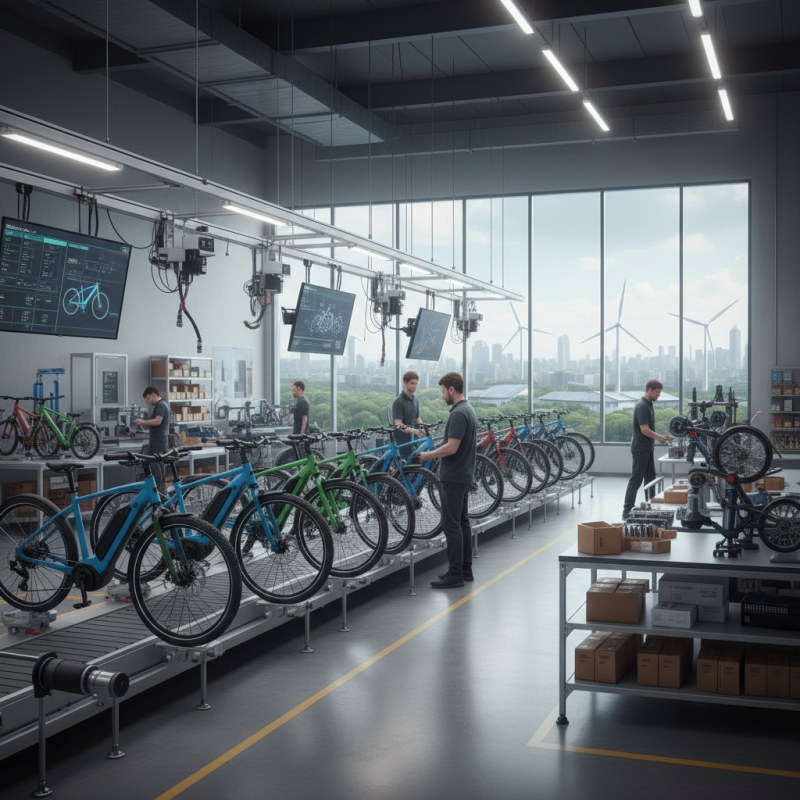
Establishing Manufacturing Processes and Quality Control Standards
Establishing manufacturing processes and quality control standards is crucial in the electric bike industry. The global electric bike market is expected to grow at a CAGR of 7.6% from 2021 to 2028, indicating increasing demand. To meet this demand, your manufacturing processes must be efficient and scalable. Quality control standards should be based on industry benchmarks, such as the ISO 9001 certification, which ensures consistent quality and customer satisfaction.
Tips: Implement a robust quality management system. Track defects and analyze data to improve processes. Regular audits can help identify gaps in quality.
It's vital to source components from reliable suppliers. Research shows that about 50% of electric bike failures stem from subpar components. Thus, establishing relationships with reputable suppliers is essential. Conduct thorough testing of each part before integrating it into your production line. Remember, even a small oversight can lead to significant issues later.
Tips: Create a checklist for quality inspections. This promotes consistency. Involve your team in identifying potential improvements, as they offer unique insights.
Establishing strong manufacturing and quality standards will set your electric bike business on the right path. The initial setup might seem overwhelming, but it’s crucial for long-term success. Continuous reflection and adaptation in your processes will enhance your brand’s reputation in this growing market.
