What is FRP Guarding and How Does It Benefit You?
FRP guarding represents an innovative approach to protective measures in various industries. FRP, or Fiber Reinforced Polymer, is renowned for its strength and lightweight characteristics. As companies prioritize safety, FRP guarding emerges as a valuable solution. It offers superior protection against impacts, corrosion, and harsh environmental conditions.
The benefits of FRP guarding extend beyond durability. It is versatile and can be tailored for specific needs. Industries like construction, manufacturing, and even transportation are reaping its rewards. The lightweight nature of FRP allows for easier installation and maintenance, facilitating quicker operational setups. However, some might find it challenging to fully understand its long-term benefits.
It is essential to remember that not every application may maximize the potential of FRP guarding. Companies should assess their unique requirements before deciding. A well-informed decision involves weighing the pros and cons, ensuring the best fit for one's operational needs. Embracing FRP guarding could significantly enhance safety and efficiency when approached thoughtfully.
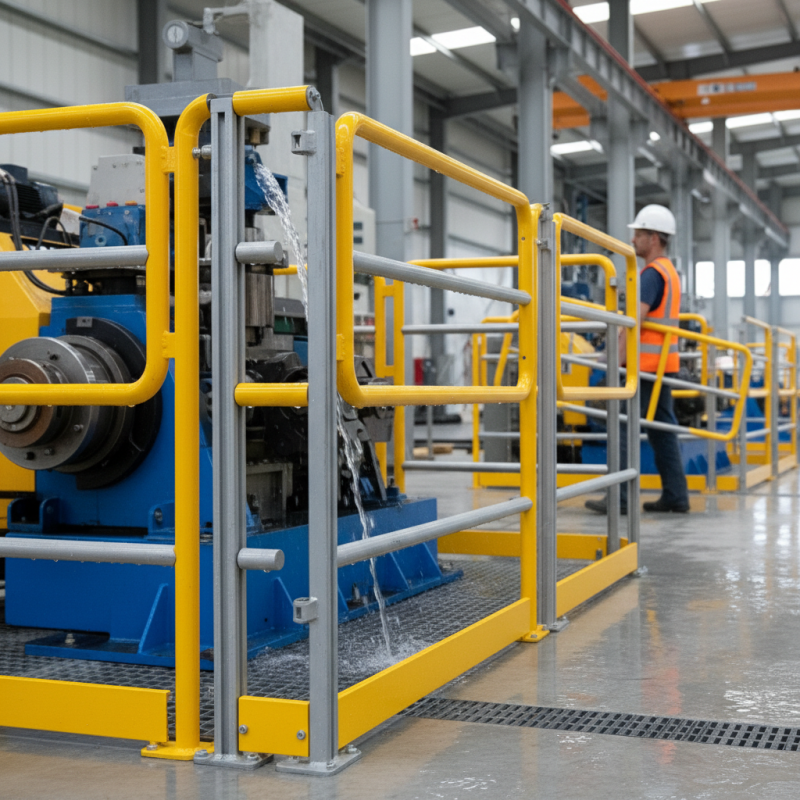
What is FRP Guarding?
FRP, or Fiber Reinforced Plastic, guarding offers a unique solution in various industrial settings. It is made from a combination of plastic and reinforcing fibers. This material is lightweight yet incredibly strong, making it ideal for safety applications.
The durability of FRP provides excellent protection against impact and corrosion, which is crucial in harsh environments.
Its application extends beyond simple barriers. FRP guarding can be customized to fit specific machinery or work areas, ensuring a tailored approach to safety. Many industries have shifted to using FRP due to its resistance to chemicals and extreme weather. However, creating a well-designed guarding system requires careful planning and regular maintenance. Inadequate assessments can lead to insufficient protection, leaving potential vulnerabilities exposed.
Implementing FRP guarding might seem straightforward, but challenges exist. Regular inspections are essential to ensure integrity. Additionally, training personnel on the correct use and maintenance of these barriers is often overlooked. Neglecting these aspects can diminish the effectiveness of the guarding systems. Balancing customization with standard safety practices can help optimize the benefits of FRP guarding while addressing potential pitfalls.
Key Features of FRP Guarding
FRP guarding, or fiber-reinforced polymer guarding, is gaining attention in various industries for its advantages. One of its key features is its lightweight nature. Compared to traditional materials, FRP can reduce overall weight by up to 30%. This characteristic makes it easier to handle and install, especially in locations with limited access.
Another significant feature is its corrosion resistance. In environments exposed to harsh chemicals, FRP guarding stands out. Reports indicate that it lasts up to three times longer than steel in corrosive settings. This durability leads to lower maintenance costs and improved safety for workers. Additionally, FRP exhibits impressive tensile strength, offering robust protection.
While the cost of FRP materials can be higher initially, the long-term savings are notable. Industries have seen a reduction in replacement frequency. However, a shift to FRP may require an adjustment period for teams already accustomed to traditional guarding materials. Therefore, organizations need to weigh both the benefits and challenges when considering a transition. Overall, understanding the key features of FRP guarding positions businesses to make informed decisions.
What is FRP Guarding and How Does It Benefit You? - Key Features of FRP Guarding
| Feature | Description | Benefit |
| Corrosion Resistance | FRP materials resist chemical and environmental damage, leading to longer lifespan. | Reduces maintenance costs and downtime due to fewer replacements. |
| Lightweight | FRP is much lighter than traditional materials like steel or concrete. | Easier and cheaper installation, lower transportation costs. |
| High Strength | FRP provides high tensile strength compared to its weight. | Enhanced durability and safety in protective applications. |
| Easy to Fabricate | FRP can be molded into complex shapes with relative ease. | Allows for customized solutions to meet specific project needs. |
| Non-Conductive | FRP does not conduct electricity, making it safe for electrical applications. | Reduced risk of electrical hazards in industrial environments. |
Benefits of Using FRP Guarding in Various Industries
FRP (Fiber-Reinforced Polymer) guarding is becoming essential across various industries. In the construction and manufacturing sectors, FRP increases safety. According to a 2022 industry report, workplaces using FRP guarding have seen a 30% reduction in accidents. This statistic highlights the material's effectiveness in mitigating workplace hazards.
In the chemical industry, FRP's resistance to corrosion offers significant advantages. Research shows that FRP can withstand harsh chemicals better than traditional materials. This durability can lead to lower maintenance costs—up to 25% less—over time. By reducing downtime for repairs, companies can focus resources on productivity. Notably, the reliability of FRP contributes to long-term investments.
While FRP provides many benefits, some concerns exist. Proper installation is crucial for maximum effectiveness. If not installed correctly, the protective benefits diminish. Additionally, employees must be well trained in recognizing potential hazards. Continuous education remains key in ensuring safety. Balancing these elements is essential for fostering a safe working environment.
Comparative Analysis: FRP Guarding vs Traditional Guarding Methods
FRP guarding has emerged as a reliable alternative to traditional guarding methods. A study conducted by the National Institute of Occupational Safety and Health (NIOSH) indicates that over 70% of workplace injuries could be mitigated with better protective barriers. Traditional methods often involve metal and wood, which can be heavy and less adaptable to certain environments. Unlike these older systems, FRP is lightweight yet strong, offering superior flexibility in design and application.
When comparing the effectiveness of FRP guarding to traditional methods, several factors stand out. FRP can resist corrosion and withstand harsh weather conditions. According to industry reports, the lifespan of FRP materials averages 25 years, compared to just 10-15 years for metal. Additionally, in environments where temperature fluctuations are common, FRP helps maintain structural integrity better. There is, however, a need for deeper understanding regarding its installation processes, as mistakes can lead to significant safety risks.
Cost is another area requiring reflection. Initial investment in FRP might be higher, but maintenance costs are significantly lower over time. A case study revealed that companies switching to FRP guarding reported a 40% reduction in long-term maintenance costs. The advantages are clear, yet decision-makers should carefully assess their specific needs and environment before making a switch.
Installation and Maintenance Considerations for FRP Guarding
FRP guarding, or Fiber Reinforced Polymer guarding, has become a pivotal choice in industrial safety. Proper installation and maintenance are vital to ensure the long-term effectiveness of these safety solutions. According to a report from the American Composite Manufacturers Association, FRP materials can enhance workplace safety by up to 40% when integrated correctly. This highlights the importance of how these systems are installed—incorrect installation can undermine their safety benefits.
When considering installation, it's essential to assess the specific environment. Factors like temperature fluctuations, humidity, and exposure to chemicals can affect the performance of FRP guarding. Regular inspections are necessary, and scheduling maintenance every six months can avoid deterioration. Industry insights suggest that neglecting maintenance leads to an average increase of 20% in replacement costs. Proper measures should be taken to ensure that the guards remain effective over time.
Challenges do arise. Installation may require skilled professionals familiar with FRP materials. Not all workers are trained adequately for this task. There can also be delays in securing materials, impacting safety timelines. Additionally, maintenance routines can become overlooked amidst daily operations. This can lead to safety risks if not addressed promptly. Understanding these considerations can help companies maximize the benefits of FRP guarding while safeguarding their workforce.
