
10 Electric Motor Buying Tips for Global Buyers
Buying an electric motor across borders is not just a matter of comparing prices or horsepower. The right choice depends on the load, duty cycle, supply, environment, and maintenance available at the installation site. Electric-motor author Austin Hughes’s technical work emphasizes matching a motor to its drive and operating conditions, rather than selecting by nameplate figures alone. That principle matters when a conveyor starts under load, a pump runs for long shifts, or a workshop faces dust and heat.
Small details count. Check voltage, frequency, phase, enclosure rating, insulation class, mounting dimensions, and shaft size against the actual application. Ask for efficiency data and test documentation, and confirm what the warranty covers. A motor that looks suitable on paper may still need a different starter or variable-frequency drive. Shipping schedules, spare-parts access, and the supplier’s technical support deserve equal attention. Don’t assume.
These ten buying tips give global buyers a practical framework for comparing suppliers and reducing avoidable surprises. Request a clear datasheet, verify model numbers, and ask how performance was measured. Then compare the complete operating cost, not just the purchase quote. Some specifications may seem tedious. They are not. Still, even a careful checklist can miss a site-specific issue, and buyers should leave room to reassess assumptions before ordering. A little doubt helps. The aim is not to find the most powerful motor, but one that performs reliably in its real working conditions.
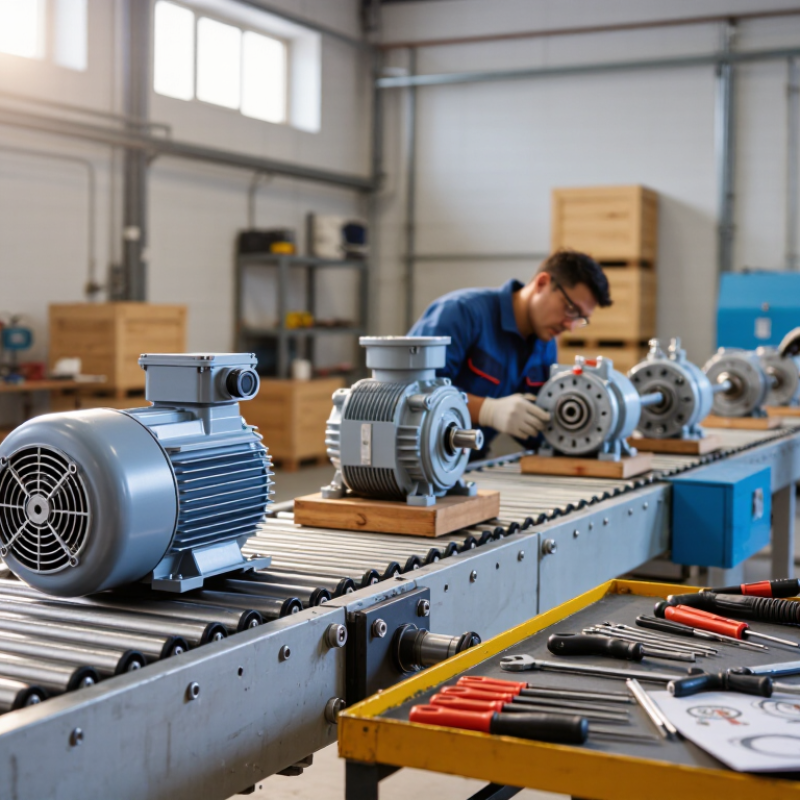
Define Operating Requirements and Application Conditions
Before comparing electric motors, define what the machine must do during a normal shift. Record required power, shaft speed, starting torque, duty cycle, and expected daily run time. A loaded conveyor needs different starting torque from a fan that runs steadily. Note how often the motor starts and stops, and whether its speed must change. Measure the real load where possible; estimates based only on a machine nameplate can be misleading.
Tips: Write down the worst routine operating condition, not just the average. Include supply voltage and frequency, mounting position, available space, and coupling dimensions. Heat matters. Dust, moisture, vibration, altitude, and ambient temperature can all affect cooling and insulation life.
Check whether the motor will run indoors, outdoors, or in a washdown area. Don’t assume an installation is clean just because the room looks clean. Compare motor ratings with the recorded conditions, then confirm the details with the equipment supplier or a qualified motor engineer.
Request performance data at the required speed and load, including starting current and efficiency. If a variable-speed drive is planned, verify suitability across the full speed range. Measure under load. Short overload periods are easy to miss, so give them a second check. Keep assumptions and measurements in the purchase specification so suppliers quote against the same operating requirements.
Compare Motor Types, Ratings, and Performance Specifications
Electric motors can look similar on a quotation sheet, yet behave differently on the factory floor. The IEA’s 2011 analysis estimated that motor-driven systems use about 45% of global electricity. That makes efficiency more than a label. Compare induction motors for robust, familiar operation; permanent-magnet motors for compact, efficient variable-speed duties; and synchronous-reluctance designs where low rotor losses matter. The best choice depends on load and control method. A neat datasheet can still mislead.
Tip: Match rated power, voltage, frequency, speed, and duty cycle to the actual machine. Check starting torque for conveyors, not just rated efficiency. For pumps or fans, ask for performance at typical operating loads. Compare efficiency classes under IEC 60034-30-1, and confirm test conditions before comparing figures. Small differences in supply frequency or cooling can change results.
Request the motor’s efficiency curve, temperature-rise limit, insulation class, enclosure rating, and permissible ambient range. Buyers sourcing across regions should verify that the stated voltage and frequency match the site supply. A variable-frequency drive may require added checks for bearing currents and motor cooling at low speed. Get the complete test report, not only a brochure value. I would still question any offer that omits operating conditions; those details are easy to overlook, and expensive to discover later.
Check Energy Efficiency, Safety, and Regulatory Compliance
When comparing electric motors, look beyond the purchase price and check the rated efficiency class, load profile, and test conditions. The International Energy Agency’s 2011 report, Energy-Efficiency Policy Opportunities for Electric Motor-Driven Systems, estimated that motor-driven systems use about 45% of global electricity and roughly 70% of industrial electricity. Those figures make efficiency more than a label. Ask for the test report and calculate energy use against your actual operating hours. Check the plate.
Safety and compliance need equal attention. Confirm the motor’s voltage, frequency, insulation class, ingress-protection rating, and temperature limits match the installation. IEC 60034-1 covers rating and performance requirements for rotating electrical machines; it does not replace destination-market rules. Ask which certificates and test records apply where the motor will be installed. Requirements vary. A certificate for one market may not satisfy another.
Check the complete operating setup, not just the motor in isolation. A variable-speed drive, frequent starts, dust, or high ambient heat can change performance and risk. Request documentation for the motor-drive combination when relevant, and verify that guards, grounding, and emergency isolation fit the site. One detail buyers sometimes miss is service access: a compliant motor can still be difficult to maintain. I would also question unusually broad efficiency claims unless the measurement method is clear.
Assess Suppliers, Total Cost, and Warranty Terms
An electric motor supplier should be assessed on more than price and a polished brochure. Ask for drawings, performance data, and test records that match the exact motor configuration. Check whether the supplier can explain temperature limits, insulation class, and expected operating conditions in plain language. Request references from buyers with similar loads and duty cycles. Small details matter. A vague answer about testing is a reason to ask again, not necessarily to reject the supplier outright.
Compare the total cost over the motor’s expected service life, not just the purchase price. Include freight, installation, compatible drives, spare parts, and likely maintenance intervals. A lower-priced unit may need special components or more frequent servicing. Ask how replacement parts are identified and shipped, especially if the motor will run at a remote site. Estimates are imperfect; your operating schedule and energy prices may change. Still, a written cost comparison is more useful than a quick guess.
Read the warranty terms before approving an order. Confirm the coverage period, what counts as a defect, and which costs remain yours, such as removal, transport, or labor. Check whether poor storage, incorrect installation, or operation outside stated limits can affect coverage. Ask how a claim is documented and how quickly a replacement decision is usually made. Get important answers in writing. Warranty language can look reassuring, yet leave practical gaps; have a technical buyer review those details before purchase.
10 Electric Motor Buying Tips for Global Buyers - Assess Suppliers, Total Cost, and Warranty Terms
| # | Buying Tip | What to Assess | Practical Buyer Action | Cost and Warranty Considerations |
|---|---|---|---|---|
| 1 | Define the application and duty | Required output power, speed, torque, starting method, operating hours, load profile, ambient conditions, and mounting arrangement. | Prepare a technical specification and share the same operating assumptions with every bidder. | A motor that is poorly matched to its load can increase energy use or require premature replacement. Include expected operating hours in cost comparisons. |
| 2 | Verify supplier capability | Relevant production experience, quality-control processes, technical support, traceability, and ability to meet the requested delivery schedule. | Request a capability overview, sample inspection records, process documentation, and references for comparable applications where available. | Compare the support and quality evidence included in each offer, not just the quoted unit price. |
| 3 | Check standards and destination requirements | Applicable electrical, efficiency, safety, and import requirements in the destination market; nameplate data and test documentation. | Confirm the exact standard and required documents with local regulators, an importer, or a qualified compliance professional before ordering. | Account for testing, certification, labeling, and document costs where applicable. Requirements vary by market and motor category. |
| 4 | Compare efficiency over the operating life | Declared efficiency, expected load, annual operating hours, electricity price, and any applicable minimum-efficiency rules. | Compare lifecycle energy costs using the same load and operating-hour assumptions for each motor option. | Purchase price alone does not show lifetime cost. Use documented efficiency data and realistic usage estimates; actual savings depend on operating conditions. |
| 5 | Confirm electrical and mechanical fit | Voltage, frequency, phase, current, shaft dimensions, frame, mounting, enclosure, cooling method, and connection details. | Check the motor drawing and nameplate specification against the driven equipment and site supply before approving production. | Include adapter, coupling, wiring, installation, and modification costs if dimensions or electrical details differ from the existing setup. |
| 6 | Evaluate the operating environment | Dust, moisture, corrosive exposure, temperature, altitude, vibration, washdown needs, and hazardous-area classification where relevant. | Specify the site conditions and verify that the proposed enclosure and design are suitable for them. | A more protective configuration may cost more initially but can reduce exposure-related maintenance. Confirm suitability for the actual environment rather than relying on a generic description. |
| 7 | Request a clear inspection and test plan | Routine tests, inspection points, acceptance criteria, test reports, and whether witness or third-party inspection is available. | Agree on the inspection scope and required records in writing before production or shipment. | Clarify which inspections are included and which may incur additional fees. Keep approved test records with the equipment documentation. |
| 8 | Calculate total landed and ownership cost | Motor price, packaging, freight, insurance, duties, taxes, inland transport, installation, energy, maintenance, and expected downtime. | Use a consistent cost model and request a written breakdown of quotation scope, delivery terms, and excluded charges. | The lowest quoted price may not be the lowest landed or lifecycle cost. Confirm who pays each transport, customs, and handling charge under the agreed delivery terms. |
| 9 | Review the warranty in writing | Warranty duration, start date, covered defects, exclusions, claim process, required evidence, repair or replacement remedy, and response responsibilities. | Ask for the complete warranty document and clarify whether labor, transport, removal, reinstallation, and replacement shipping are covered. | Warranty terms differ by contract and supplier. Do not assume that a stated warranty covers every cost or begins on the date the motor is installed. |
| 10 | Plan delivery, spares, and after-sales support | Production lead time, packaging, shipping documents, spare-parts availability, technical response channels, and service arrangements. | Confirm the delivery schedule and document list; identify critical spares and agree how technical questions or claims will be handled. | Budget for recommended spares and possible service travel or freight. Ask for realistic lead times and written commitments rather than relying on verbal estimates. |
Verify Quality Testing, Shipping, and After-Sales Support
Electric motors can run quietly for years, but weak testing may hide early failures. The International Energy Agency’s 2011 report, Energy-Efficiency Policy Opportunities for Electric Motor-Driven Systems, estimated these systems use about 45% of global electricity. The U.S. Department of Energy’s 2014 industry sourcebook put their share at 69% of U.S. industrial electricity use. Those figures make dependable performance more than a purchasing detail. Ask for test records that match the motor’s serial number, including insulation resistance, vibration, temperature rise, and load-test results. Check which standard and test conditions were used; a clean certificate alone proves little.
Tips: Request a sample test report before ordering. Confirm whether testing is witnessed or independently verified. Before dispatch, ask for clear crate photos, shaft protection, moisture barriers, and any agreed shock indicators. These details are easy to overlook.
Shipping and service deserve equal scrutiny. Agree on the delivery term, transit responsibility, packaging requirements, and a process for recording damage on arrival. Ask who handles troubleshooting, how quickly support responds, and whether common spare parts are available. Put warranty coverage and exclusions in writing. One honest caveat: even a careful inspection cannot prevent every transit problem, and response promises may be less useful across time zones. A named contact and practical escalation route can make the difference.
10 Electric Motor Buying Tips for Global Buyers — Verify Quality Testing, Shipping, and After-Sales Support
Use these IEC 60034-1 supply-voltage and frequency variation limits as a quality-check reference. Confirm the motor’s rated values and applicable operating conditions with the supplier; limits shown are deviations from rated values.
Source: IEC 60034-1. Zone A limits are ±5% voltage and ±2% frequency; Zone B limits are ±10% voltage and ±3% frequency. Verify the latest applicable standard and test requirements for your motor.
Related Posts
-
2025 Top Electric Motor Innovations: The Future of Efficient Power Solutions
-

How to Choose the Right Motion Motor for Your Project?
-
Exploring the Future of Robotics: How Servo Motor Drivers Transform Automation
-
How to Choose the Best Miniature Servo Motor for Your Project?
-
Understanding the Fundamentals of AC Servo Technology: What You Need to Know
-

Top Small DC Motor Applications and Buying Guide for Beginners
