Digital Solar Bus Stops Showcase at 139th Canton Fair in China?
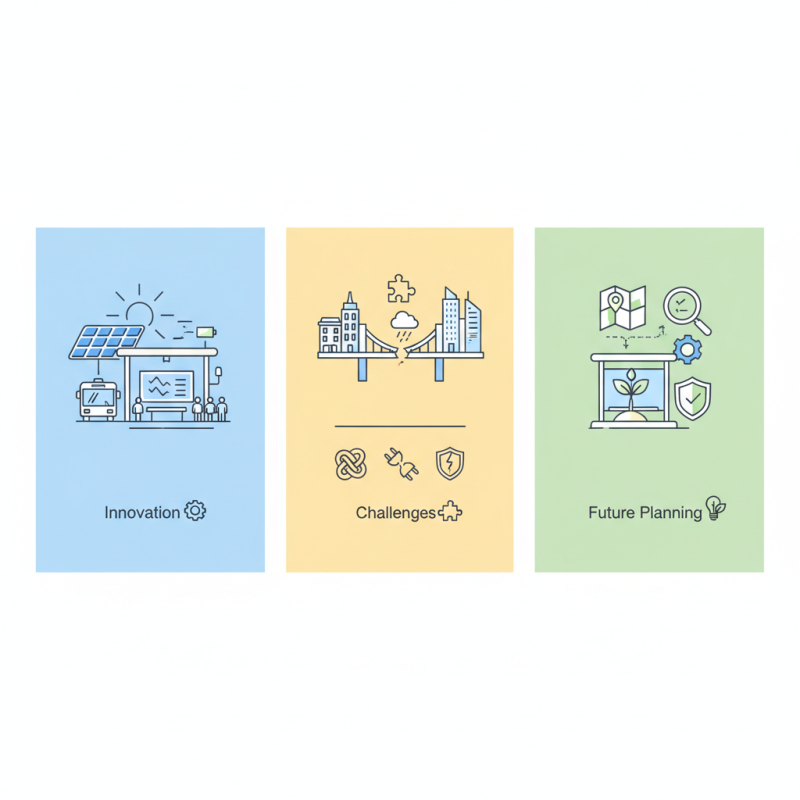
At the 139th Canton Fair in China, innovative Digital solar bus stops garnered attention. These bus stops merge sustainability and technology. They harness solar energy to power digital displays. This feature informs passengers about bus schedules and routes in real-time.
Despite their advantages, challenges exist. For instance, effective integration into existing urban infrastructure can be complex. Some cities may lack technical support. Additionally, there can be concerns regarding durability and maintenance in various weather conditions.
While the Digital Solar Bus Stops represent a step towards smart public transport, cities must plan carefully. An analysis of local needs is essential. Addressing potential shortcomings will help ensure that these innovations are effective and sustainable.
Digital Solar Bus Stops: An Overview of Innovation in Public Transport
The introduction of digital solar bus stops represents a leap forward in public transport innovation. These stops harness solar energy to power digital displays, offering real-time updates about bus schedules. This system not only enhances passenger experience but also promotes sustainability. Imagine waiting for a bus while engaging with an interactive screen that provides live transit information.
However, there are challenges. Some bus stops may not receive enough sunlight to operate optimally. As cities evolve, ensuring adequate solar exposure will require thoughtful urban planning. Balancing aesthetics and functionality is crucial. Architects and urban planners must consider the environment when designing these stops.
Tips: Make sure digital displays are user-friendly. Clear information is essential for commuters. Also, focus on the placement of these stops in high-traffic areas. This can maximize visibility and usage. Engaging the community in the design process may yield valuable insights.
Significance of Digital Solar Bus Stops for Sustainable Urban Development
Digital solar bus stops represent a promising step toward sustainable urban development. These innovative structures harness solar energy to power digital displays and provide real-time information to commuters. Imagine waiting for a bus under a shelter that generates its own electricity. This concept not only enhances convenience but also reduces the carbon footprint of public transportation.
However, the implementation of these solar bus stops is not without challenges. Urban areas often face space constraints and the need for aesthetic integration. Additionally, ensuring the reliability of solar technology in varying weather conditions can be tricky. There are also concerns about long-term maintenance and potential vandalism. Cities must consider these factors seriously before widespread adoption.
Despite these obstacles, the potential benefits are noteworthy. Digital solar bus stops can help promote public transport usage, encouraging fewer cars on the road. This shift could lead to decreased traffic congestion and improved air quality. The evolution of urban infrastructure requires reflection on both the practicalities and the transformative impacts these technologies could bring to our cities.
Impact of Digital Solar Bus Stops on Urban Development
Showcase Highlights from the 139th Canton Fair in China
The 139th Canton Fair in China showcased a variety of innovative technologies. One standout exhibit was the digital solar bus stop. These bus stops integrate advanced solar power systems, providing an eco-friendly waiting area. Their design is sleek and modern, attracting the attention of many visitors.
Highlighting sustainability, these solar bus stops aim to reduce carbon footprints. They feature real-time arrival displays and Wi-Fi access, enhancing user experience. The convenience of charging electronic devices at these stops is a significant benefit. However, questions remain about their durability in extreme weather conditions.
Many attendees noted the potential advantages. Yet, some voiced concerns about maintenance costs and technical issues. The balance between technology and practicality is crucial. Observing these innovative solutions encourages reflection on urban mobility. How can we further improve such initiatives? The Canton Fair sets the stage for these important discussions.
Digital Solar Bus Stops Showcase at 139th Canton Fair in China
| Feature | Description | Benefits | Innovations |
| Solar Panels | Integrated solar panels for energy generation | Reduces electricity costs and promotes green energy | Utilization of renewable energy sources |
| Digital Displays | Real-time information on bus schedules | Improves passenger experience with timely updates | Interactive touch screens for user engagement |
| Wi-Fi Connectivity | Free Wi-Fi access for passengers | Enhances convenience and connectivity | Smart integration with mobile applications |
| Sustainability Features | Rainwater harvesting system | Promotes water conservation and ecological balance | Environment-friendly designs and materials |
Technological Features of Digital Solar Bus Stops
The 139th Canton Fair in China showcased an innovative solution to urban transit: Digital Solar Bus Stops. These structures are designed to be sustainable and technologically advanced. They utilize solar panels to capture energy from the sun, offering a renewable power source for various features. This technology reduces reliance on the electrical grid, which is a significant step toward greener cities.
Among the unique features, these bus stops display real-time information. Passengers can see arrival times and updates. Integrated charging stations for mobile devices are also available. This convenience is highly appreciated by commuters, although some might find the charging stations limited in number. The design promotes efficiency but could improve accessibility for all users, especially during peak hours.
However, challenges remain. The solar panels can be less effective in cloudy weather, affecting performance. The materials used must withstand various weather conditions, which is not always guaranteed. Even with these concerns, the idea of Digital Solar Bus Stops is promising for enhancing urban life. They blend sustainability and technology, yet they also remind us of the need for continued improvement.
Future Implications of Digital Solar Bus Stops in Global Transportation Systems
The emergence of digital solar bus stops marks a significant shift in urban transportation. These bus stops integrate solar technology and smart features, enhancing public transit systems. Research indicates that by 2030, solar energy could power 25% of urban transportation needs. This potential can significantly reduce carbon emissions in cities worldwide.
However, the implementation presents challenges. For instance, not all cities have the infrastructure to support such innovations. A report states that 60% of urban areas lack adequate space for solar installations. This can hinder widespread adoption. Also, maintenance and repair issues are vital to consider. Digital displays and solar panels can face operational failures, requiring immediate attention.
The data reflects a growing interest in sustainable solutions. Yet, urban planners must carefully evaluate the integration of digital solar bus stops. Balancing technological advancements with existing urban designs is crucial. Public acceptance and usability will also play key roles in their success. Addressing these concerns will determine how effectively these innovations can reshape global transportation systems.