Why Choose an Electric Pickup Truck for Your Business Needs?
The rise of the electric vehicle (EV) industry has transformed how businesses operate. An Electric Pickup Truck, in particular, offers several compelling benefits. According to industry expert Alex Thompson, "Electric pickup trucks are changing the landscape of commercial transport." His insight highlights the growing demand for sustainable and efficient solutions.
The versatility of an electric pickup truck makes it an excellent choice for various industries. It can handle heavy loads while reducing emissions. Businesses often face challenges with fuel costs and maintenance. Electric pickups help mitigate these issues. They are designed to be robust and reliable, making them a practical option for companies focused on efficiency.
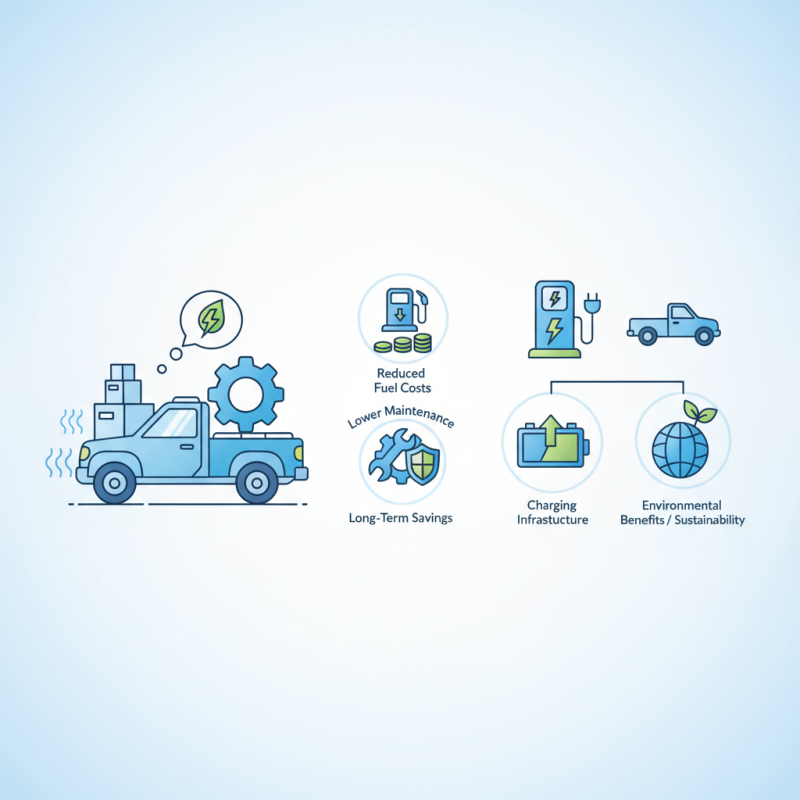
Adopting an electric pickup truck can lead to long-term savings and environmental benefits. However, some businesses may hesitate due to the initial investment. It's important to weigh the immediate costs against potential savings. Transitioning to electric vehicles requires careful planning. Companies must consider charging infrastructure and training for drivers. The future of transportation leans toward electrification, and businesses that embrace it may gain a competitive edge.
Benefits of Electric Pickup Trucks for Business Operations
Electric pickup trucks are increasingly popular for business operations. Their benefits are noteworthy. They offer a blend of utility and sustainability. Companies can reduce their carbon footprint while maintaining productivity. These trucks often have lower maintenance costs compared to traditional gasoline vehicles.
One key advantage is enhanced efficiency. Electric trucks provide instant torque, improving load handling and acceleration. This can lead to significant time savings during deliveries. Moreover, businesses might qualify for tax incentives, boosting overall savings.
Tip: Assess your routes and charging infrastructure to maximize efficiency. Ensure proximity to charging stations.
Integration of electric pickup trucks can also elevate your brand image. Customers appreciate companies that prioritize sustainability. This commitment can attract eco-conscious clients. However, it's important to consider the range limitations of electric vehicles. Some businesses may not find them suitable for long-distance travel. Planning is essential to avoid potential disruptions.
Tip: Evaluate your actual usage patterns before transitioning. A gradual approach helps mitigate risks and reflects thoughtful decision-making.
Cost Savings through Reduced Fuel and Maintenance Expenses
Switching to electric pickup trucks can significantly reduce fuel costs for businesses. Traditional gas-powered trucks consume fuel at a higher rate. Electric trucks run on battery power, which is currently cheaper. A fleet of electric pickups may lead to consistent savings on daily operations. This reliable energy source can stabilize your budget over time.
Maintenance expenses also decline with electric trucks. Fewer moving parts can mean fewer breakdowns. Regular oil changes and engine repairs are often unnecessary. With less wear and tear, businesses can save on maintenance labor costs. However, consider the initial investment carefully. Transitioning to a fully electric fleet may seem steep upfront. The long-term savings on fuel and maintenance can offset this.
While electric trucks offer many advantages, challenges do exist. Charging infrastructure may not be fully developed in every area. Range anxiety can impact planning and daily operations. It’s essential to weigh these factors before making a transition. Understanding your specific business needs is crucial for a successful switch. Balancing initial costs with potential savings requires thorough research and planning.
Environmental Impact: Meeting Sustainability Goals with EVs
The push towards sustainability is reshaping the transportation landscape, especially for businesses. Electric pickup trucks offer a viable solution for companies aiming to reduce their environmental footprint. Using electric vehicles (EVs) means lower emissions. Each mile driven uses less energy and contributes to cleaner air. This transition helps businesses align with global sustainability goals.
Choosing electric pickups is also about practical impact. Many companies face increasing pressure from consumers to adopt eco-friendly practices. EVs help meet these demands. Additionally, government incentives may reduce initial costs, making the switch financially appealing. Though charging infrastructure is still developing, more networks are emerging. This evolution makes it easier for businesses to integrate electric trucks into their fleets.
However, there are challenges. Range anxiety can still be an issue for businesses that rely on long-haul deliveries. It’s essential to assess the specific needs of operations before transitioning. Not all electric pickups will fit every requirement. Reflecting on the unique demands of your business is crucial in making informed choices. Balancing sustainability with practicality may lead you to rethink your current vehicle strategy.
Range and Performance: How Electric Trucks Compete with Gas Models
Electric pickup trucks are rapidly gaining traction in the commercial sector. Their range and performance are proving to be competitive with traditional gas models. Innovative battery technology allows these trucks to travel impressive distances on a single charge. Many are designed to handle demanding jobs while optimizing energy use. This is crucial for businesses that rely on efficiency.
While electric trucks excel in many areas, potential buyers should consider recharge times and infrastructure. A long charging time might impact tight deadlines. Businesses in remote areas might face challenges related to charging station availability. Addressing these concerns is vital for effective fleet management. Additionally, weight and towing capacity are essential factors. Some electric models still lag behind their gas counterparts in these areas.
Electric trucks also foster a sustainable image. Using them can reduce a company's carbon footprint significantly. Many consumers support companies that prioritize eco-friendly practices. However, the upfront investment can be a hurdle for some businesses. Evaluating total cost of ownership, including maintenance, can offer insights. This ensures a well-informed decision that aligns with business goals.
Why Choose an Electric Pickup Truck for Your Business Needs?
| Model | Range (miles) | Towing Capacity (lbs) | Payload Capacity (lbs) | 0-60 mph (seconds) | Charging Time (hours) |
| Electric Truck A | 300 | 10,000 | 2,000 | 4.5 | 1.5 |
| Electric Truck B | 250 | 8,500 | 1,800 | 6.0 | 1.0 |
| Electric Truck C | 350 | 12,000 | 2,500 | 3.8 | 2.0 |
| Electric Truck D | 280 | 9,000 | 1,600 | 5.5 | 1.2 |
Incentives and Tax Benefits for Adopting Electric Fleet Vehicles
Adopting electric pickup trucks for your business can unlock significant financial advantages. Many governments offer incentives for electric vehicle purchases. These can include tax credits and rebates. By investing in an electric fleet, businesses can reduce upfront costs, which makes the transition easier. Lower maintenance and fuel costs further enhance the financial appeal. Electric trucks often have fewer moving parts, meaning less wear and tear.
Tax benefits for adopting electric vehicles can vary by location. Some areas offer reduced registration fees and tax deductions. These incentives make electric trucks even more accessible for small and medium-sized businesses. However, companies must do their research. The requirements for these incentives can be complex and may change over time. Business owners should stay informed about local regulations and requirements. Ignoring these details can lead to missed opportunities.
In addition to savings, electric vehicles enhance brand image. Sustainability is increasingly important to consumers. A commitment to an electric fleet can boost a company's reputation. Yet, the transition is not without challenges. Charging infrastructure may not be widely available. This can complicate daily operations. Businesses need to carefully assess their readiness for such a shift. Even with incentives, thoughtful planning is crucial for success.
Electric Pickup Truck Adoption Rates and Tax Benefits
