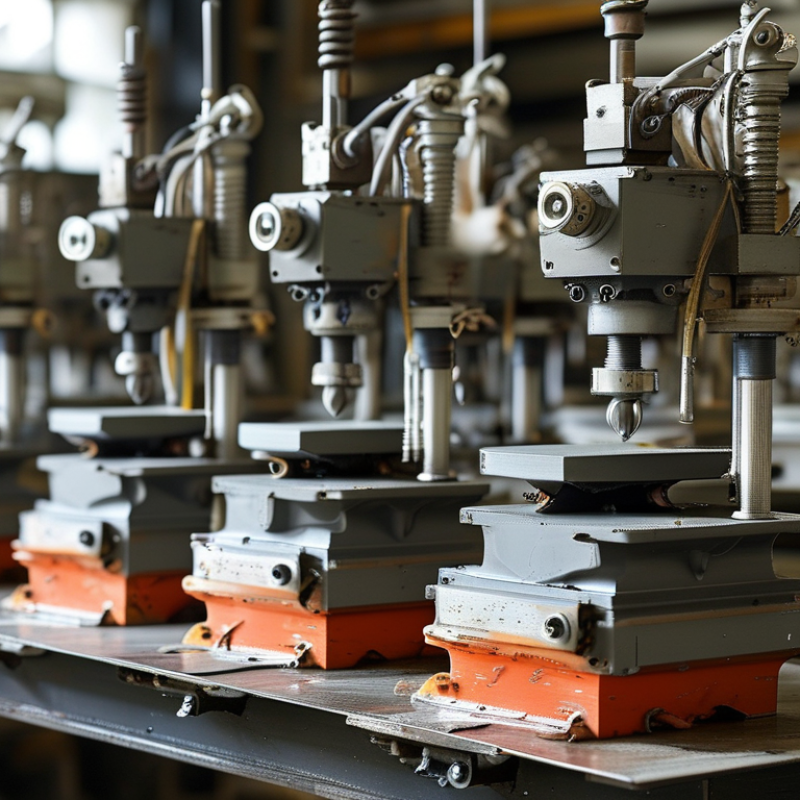
How to Choose the Best Smc Moulding Press for Your Business?
Choosing the best Smc Moulding Press for your business is crucial for efficiency and cost-effectiveness. With various options available, it can be challenging to determine which press meets your needs. Factors such as size, capacity, and technological features play significant roles in making the right choice.
Understanding your production requirements is vital. Each SMC moulding press offers different capabilities. You must also consider the materials used in your manufacturing process. A press that fits your criteria can greatly enhance productivity. However, overlooking details might result in wasted resources.
Evaluating potential suppliers and their reputations matters. Research and reviews can provide insights into their reliability. Seeking expert opinions can guide you in making informed decisions. Ultimately, investing time in this selection process can lead to long-term benefits for your business.
Understanding the Basics of SMC Moulding Press Technology
Understanding the technology behind SMC (Sheet Molding Compound) moulding presses is vital for businesses looking to invest in this equipment. SMC technology plays a significant role in manufacturing lightweight and durable composite materials, mainly used in automotive and aerospace sectors. According to a recent industry report by MarketsandMarkets, this market is projected to grow at a CAGR of 6.2% from 2020 to 2025. Such growth underscores the importance of choosing the right moulding press to meet production needs.
The basic principle of SMC moulding involves a combination of thermosetting resins, fillers, and reinforcements. During the process, these materials are compressed and subjected to heat, allowing them to cure and form solid structures. The quality of the moulding press directly impacts the final product's mechanical properties and cycle time. A well-calibrated press ensures uniform pressure distribution, minimizing defects. Data from the Composite Materials Handbook indicates that improperly calibrated machines can lead to production defects in up to 25% of parts produced.
Operators should consider several factors when selecting a moulding press. Factors like size, force capacity, and cycle time must align with specific production requirements. Additionally, trends indicate that automation is becoming increasingly important to enhance efficiency. However, integrating automation can require additional training and adjustments, which may pose challenges. Balancing these elements will ultimately define operational success in SMC composite manufacturing.
Key Factors to Consider When Selecting an SMC Moulding Press
When selecting an SMC moulding press, several key factors come into play. The size of the press is crucial. A larger press allows for bigger parts but requires more space and a higher budget. Conversely, smaller presses are more affordable and fit into tight spaces but limit production size. Assess your production needs carefully. Consider the material types you will be using. SMC materials have varying properties that may require different press specifications.
Next, examine the press capacity. A press with higher tonnage can accommodate thicker materials. This can enhance production efficiency, but it might also lead to overspending on unnecessary features. Energy efficiency is another vital consideration. An energy-efficient press reduces operational costs over time, contributing to overall profit margins.
Finally, think about maintenance and support. Easy-to-service equipment minimizes downtime. Check for available training resources for your staff. This can help in making the most of the machinery’s features. Investing thoughtfully in an SMC moulding press can shape the future of your business. However, careful reflection on these factors is essential to ensure a suitable fit.
Comparing Different Types of SMC Moulding Press Machines
When selecting an SMC moulding press, understanding the types available is crucial. SMC presses vary in design and functionality, which influences productivity and efficiency. There are two main types: hydraulic and compression presses. Hydraulic presses are praised for their precision and control. According to industry reports, they can improve cycle times by 20% compared to traditional methods. Compression presses, on the other hand, provide high throughput, making them suitable for mass production.
The choice between these types can significantly impact your operations. For instance, recent research indicates that companies using compression presses reported a 30% increase in output within the first six months. However, these machines can require more maintenance due to wear and tear. Similarly, hydraulic systems, while more accurate, may face challenges with energy consumption and initial setup costs. Evaluating these factors is key to making an informed decision. Consider how these characteristics align with your production needs and budget constraints.
Evaluating Cost-Effectiveness and Budget for Your Business Needs
When evaluating the cost-effectiveness of an SMC moulding press, businesses should begin by assessing specific needs. This involves understanding production volume and material requirements. Consider how many units you expect to produce. A high volume may justify investing in a more advanced press. Conversely, smaller operations might benefit from a basic model.
Budgeting is crucial. Look closely at initial costs but also factor in long-term expenses. Maintenance, energy consumption, and labor costs add up. Think about how often the machine will require servicing. High maintenance fees can diminish savings over time. Affordable options might seem appealing but could lead to higher costs down the line.
Lastly, seek expertise from industry professionals. Their experience can guide you in making informed decisions. Understand that not all decisions will be perfect. Being adaptable is essential. Market dynamics can change, and so can your needs. Periodically reassessing your machinery and budget ensures your operations remain efficient and profitable.
Assessing Manufacturer Reputation and Support Services
When selecting an SMC moulding press, evaluating the manufacturer's reputation is crucial. A strong reputation often reflects consistent quality. Companies with feedback from users can provide insights into reliability and performance. Look for reviews from various sources, not just the manufacturer's site. Real-world experiences often highlight strengths and weaknesses not visible in promotional materials.
Support services are equally important. A manufacturer's willingness to assist after the sale can save time and money. Consider their response times and available resources. Are they reachable for urgent inquiries? Do they offer training or maintenance services? For many businesses, these factors can influence long-term satisfaction. Being able to rely on timely support can decrease downtime dramatically.
Don’t overlook these aspects. A well-regarded company may have flaws or gaps in service. Assessing testimonials can reveal inconsistencies. Sometimes, a lack of support may stem from rapid growth, putting customers at risk. It's vital to recognize not just the positives but also where a manufacturer might fall short. Balancing both reputation and support will help in making an informed choice for your SMC moulding press needs.