Best Marine Battery Options for Your Boat Needs?
Choosing the right Marine Battery is essential for any boat owner. A quality marine battery powers your electronics and ensures your vessel runs smoothly. Whether you’re sailing, fishing, or cruising, you need a reliable power source.
Marine batteries come in various types and sizes. From lead-acid to lithium-ion options, each has unique benefits and drawbacks. Understanding these differences can be challenging for many boaters. A poor choice may lead to power failures or inadequate performance. It’s crucial to evaluate your specific needs and consider factors like battery capacity and charging options.
Investing in the right marine battery is ultimately about safety and efficiency. A well-chosen battery can enhance your boating experience. However, frequent battery issues may reflect a lack of knowledge amongst users. Researching and understanding these power sources is vital. Don't skip this step if you want an enjoyable time on the water.
Understanding Marine Battery Types for Different Applications
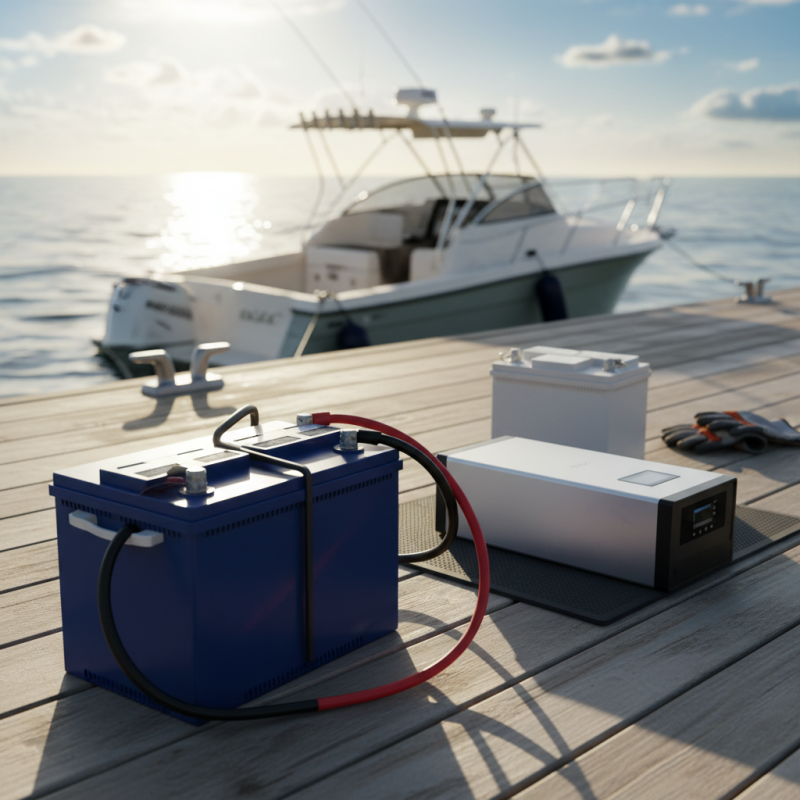
When selecting a marine battery, understanding the types available is crucial. There are three main categories: starting, deep cycle, and dual-purpose batteries. Each type serves a specific role on a boat. Starting batteries are designed for quick bursts of power to start the engine. Deep cycle batteries, on the other hand, provide sustained power over a longer duration, essential for running electronics or appliances.
A report by the National Marine Manufacturers Association reveals that 30% of boating enthusiasts face battery issues each season. That's a significant number. Deep cycle batteries usually come with a capacity rating measured in amp-hours (Ah). A typical 100Ah deep cycle battery can power a medium-sized boat for about 24 hours, depending on the usage. It's important to consider the weight and size. Many boat owners underestimate these factors, leading to installation challenges.
Regulatory frameworks increasingly emphasize the need for reliable and robust systems in marine applications. However, misconceptions exist about battery maintenance. Regular checks and proper charging can enhance lifespan and performance. Ignoring these practices can lead to poor performance. Battery types must match application needs for maximum efficacy. Selecting the wrong type may cause operational issues and financial losses.
Key Factors to Consider When Choosing a Marine Battery
Choosing the right marine battery is essential for boat owners. Consider the type of battery that best fits your needs. Common options include lead-acid, lithium-ion, and AGM batteries. Each has pros and cons. Lead-acid batteries are cost-effective but require more maintenance. Lithium-ion batteries are lightweight and offer longer lifespans. However, they come with a higher price tag.
Capacity is another critical factor. Look for a battery that matches your boat's energy requirements. Capacity is generally measured in amp-hours. A higher amp-hour rating indicates longer usage time. Think about how you will be using your boat. For short trips, a smaller battery may suffice. For longer voyages, plan for greater energy demands.
Battery size and weight also matter. Ensure the battery fits in your designated space. Heavy batteries can affect your boat's performance. Additionally, pay attention to warranty and customer reviews. These can provide insights into reliability. It's vital to reflect on your own boating habits and needs. A well-informed decision can enhance your boating experience.
Top Options for Lead-Acid Marine Batteries
When choosing lead-acid marine batteries, it's essential to consider various features. Lead-acid batteries are reliable and cost-effective. According to a recent industry report, these batteries make up about 65% of the marine battery market. They are favored for their robust performance in deep-cycle applications.
Lead-acid batteries offer a reliable solution, especially for recreational boaters. They have a high tolerance for deep discharges, typically around 50%. However, maintenance is crucial. Regular checks of fluid levels can extend their lifespan significantly. A lack of maintenance often leads to diminished performance. The average lifespan of a well-maintained lead-acid battery is 3 to 5 years. In contrast, neglect can reduce it to just a couple of years.
Weight is another critical factor when choosing a battery. A standard lead-acid battery can weigh between 30 to 60 pounds. This added weight can impact your boat's performance and fuel efficiency. Therefore, assessing your boat’s layout and design is vital. Proper installation can also improve battery life. Charging habits should not be overlooked, as improper charging can cause premature failure. A thoughtful approach to these factors can lead to better outcomes.
Best Marine Battery Options for Your Boat Needs - Top Options for Lead-Acid Marine Batteries
| Battery Type | Capacity (Ah) | Weight (lbs) | Voltage | Price Range |
| Flooded Lead-Acid | 100 | 65 | 12V | $150 - $200 |
| AGM Lead-Acid | 110 | 70 | 12V | $200 - $300 |
| Gel Lead-Acid | 90 | 68 | 12V | $180 - $250 |
| Deep Cycle Lead-Acid | 120 | 75 | 12V | $220 - $300 |
| Starting Battery | 80 | 67 | 12V | $130 - $180 |
Exploring Lithium-Ion Marine Batteries and Their Advantages
When it comes to powering your boat, lithium-ion marine batteries stand out. They offer a lightweight solution with high energy density. This makes them ideal for various marine applications, from starting engines to powering onboard electronics. Their efficiency is impressive, reducing the need for large, heavy batteries.
Moreover, lithium batteries have a longer lifespan than traditional lead-acid options. They can endure more charge cycles without degrading. This longevity translates to cost savings over time, as fewer replacements are needed. Many boaters appreciate their quick charging capabilities, reducing downtime at the dock.
**Tips:** Always consider the specific power needs of your boat. Regularly check for any signs of wear or damage. This proactive approach can help avoid unexpected failures. Safety measures are vital; ensure your battery connections are secure and well-maintained.
Not all lithium-ion batteries are created equal. Selecting the right type for your vessel can be complex. Reflect on your boat's usage patterns. Will you need extended power reserves or quick bursts of energy? These details can guide your decision-making process.
Maintenance Tips for Prolonging Your Marine Battery Life
Proper maintenance is crucial for prolonging the life of your marine battery. Regular checks can prevent unexpected failures. Ensure terminals are clean and free of corrosion. A corrosion-free terminal provides a better connection for reliable power.
Water levels in lead-acid batteries must be monitored. Low water can cause damage and reduce battery life. It's essential to top up with distilled water. However, avoid overfilling, as this can lead to spillage. Spilled acid can corrode other boat components.
Charge your battery immediately after use. This practice helps avoid deep discharges, which can shorten battery lifespan. Use a quality charger fitted for marine batteries. Inspect cables and connections regularly to ensure they’re secure. Inspecting connections can avert power loss and ensure efficient operation.
